
New to your cannabis prescription?
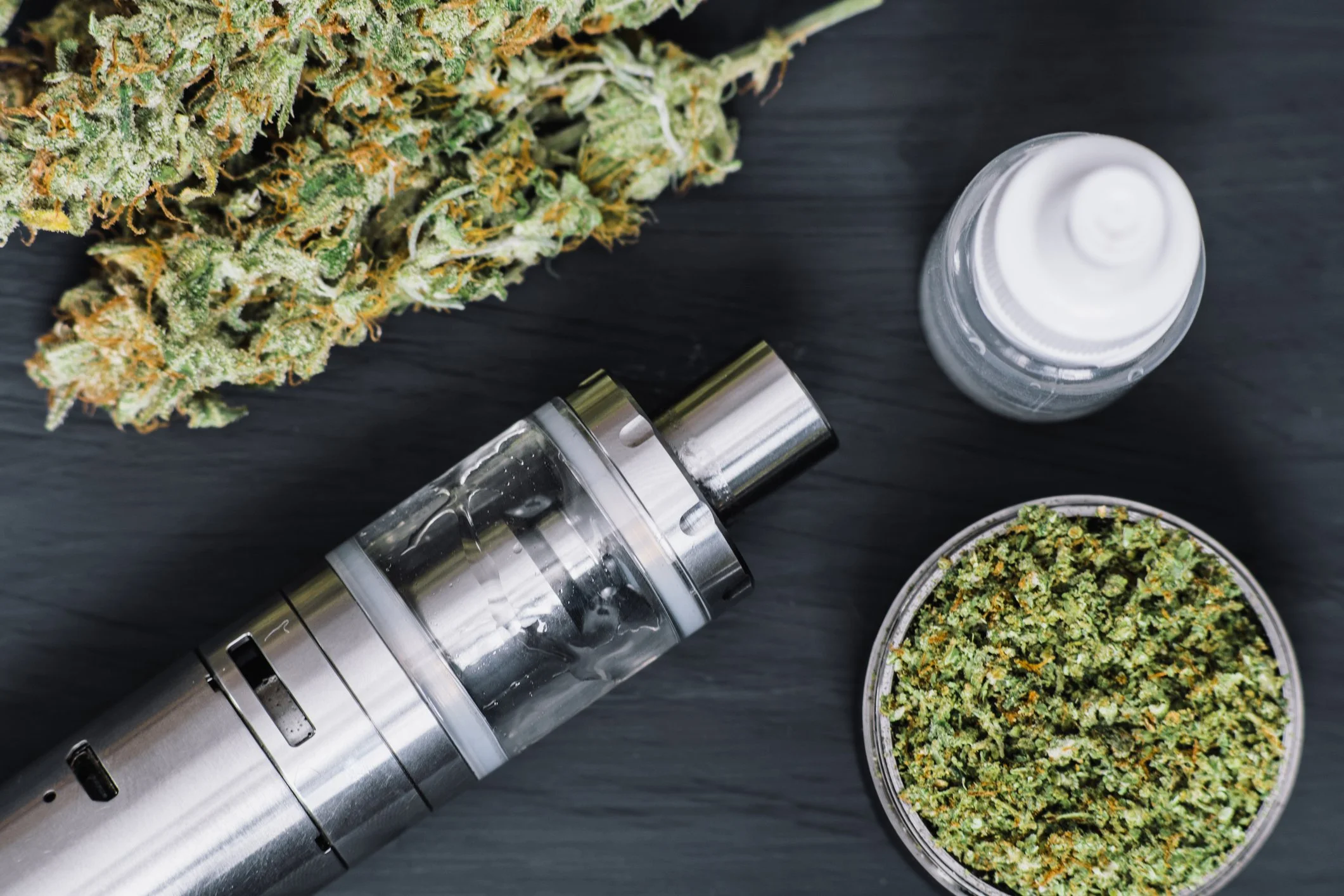
Just received your prescription. Now what?
Here’s what you need
If you've recently been issued a cannabis-based prescription for medicinal use (CBPM) in the UK, the prescription itself is only part of the picture. Unlike most medicines, which arrive as a tablet or a liquid and need nothing else, a cannabis prescription — particularly for dried flower — needs a device before you can use it.
This page covers the whole of it: getting your prescription dispensed, what equipment you need, and what to look for when choosing. It assumes no prior knowledge.
Part one: getting it dispensed
Check what you've been given
A UK medical cannabis prescription is issued privately, not on the NHS. It will show the medicine's name, the product or strain, the form — flower, oil, capsule — the quantity, and your dosing instructions. Read it and note the product name down; you will need it when you speak to a pharmacy.
Find a specialist pharmacy
CBPMs can only be dispensed by pharmacies licensed to handle Schedule 2 controlled drugs and that actually stock cannabis products. Most high street pharmacies cannot fill these prescriptions. The simplest route is a pharmacy your prescribing clinic already works with — ask them for a list or a referral. Many operate online and post directly to your home.
Submit it and pay
You'll usually upload the prescription through the pharmacy's portal, or post it. Medical cannabis is not funded by the NHS, so you pay privately, and prices vary by product. Some pharmacies offer subscription or repeat-patient pricing — worth asking when you first register.
Delivery, and checking it
Dispatch is typically within a few working days. Medication arrives in discreet, sealed packaging with nothing on the outside to indicate the contents, tracked and normally requiring a signature.
When it arrives, check the label before opening anything: the product should match what was prescribed, the quantity should be right, and batch and expiry information should be present. Keep the original packaging. The pharmacy label is your proof of a lawful prescription if you are ever asked.
If you're on a repeat, order before you run out. Processing times vary and you don't want a gap.
Part two: what your prescription needs
Dried flower — the most common
Dried cannabis flower looks a little like loose leaf tea. It is prescribed by weight and dispensed in sealed containers. To use it you need a dry herb vaporiser — a device that heats the flower to a set temperature and releases the active compounds as a vapour.
A vaporiser does not burn the flower, and that distinction matters. Combustion produces harmful byproducts; vaporisation at the correct temperature does not. It is why vaporisers are the medically appropriate method, and why your clinic will probably have mentioned one.
Oil in cartridge form
Some prescriptions are for cannabis oil in a pre-filled cartridge, similar in appearance to a nicotine vape cartridge. These use a standard fitting called a 510 thread, and need a 510-thread battery — a small rechargeable device that heats the cartridge as you draw on it.
The cartridge comes from the pharmacy as part of your prescription. The battery is hardware you buy separately.
Part three: choosing a device
For dried flower
The feature that matters most is precise temperature control. Different compounds become active at different temperatures, so a device that holds a temperature you set gives more consistent and more predictable results.
The devices most often recommended for UK medical patients are made by Storz & Bickel, a German manufacturer whose quality management system holds ISO 13485 certification and whose medical devices are certified under EU MDR. Their Mighty+ is the most widely used among UK patients and the one clinics reference most.
If budget is a constraint, the Arizer Solo 3 offers good temperature precision at a lower price. At the entry level, the DynaVap range uses no electronics at all — it is heated with a torch lighter. It takes a little practice but is reliable and well regarded.
For oil cartridges
A simpler purchase. Look for compatibility with standard 510 cartridges, variable voltage so you can adjust heat to suit different oils, and build quality that won't fail mid-use.
We recommend CCELL batteries. CCELL make the internal hardware used inside many licensed producers' cartridges, so matching the battery to that standard is a compatibility argument, not a brand one. The Palm and Silo are the two most popular models.
Part four: the accessories worth having from the start
Dosing capsules, if you have a Mighty+ or Crafty+. Small metal containers that sit in the device's chamber and hold your flower. Fill a set at home and drop one in when you need it — cleaner device, more consistent dosing, considerably more discreet. One of the most repurchased items we sell.
A cleaning kit. With regular use a device wants cleaning roughly weekly, using isopropyl alcohol and the right pipe cleaners. A clean device produces cleaner vapour and lasts a good deal longer.
A case, if you'll use your device away from home. Keeps everything together, reduces odour, and makes the whole business feel like managing a health condition rather than anything else.
Common questions
Can I get my vaporiser on prescription? No. UK prescriptions, NHS or private, cover the cannabis-based product itself. The device is a separate purchase.
Do I need to tell the device manufacturer about my prescription? No. These are general-purpose dry herb vaporisers and 510-thread batteries, bought as a consumer.
What warranty do the devices carry? Each device carries its manufacturer's standard warranty, and we state the term on every product page. Storz & Bickel and Arizer both offer two years; PAX offer ten years on the PAX 3.
How should I approach my first dose? Follow the starting dose your specialist gave you. Prescribed products are often more potent and more precisely dosed than people expect. Give a new product a few days before judging it — effects vary with time of day, food and sleep. Anything about dose is a conversation for your prescriber, not for us.
General information, not medical advice
As Prescribed sells equipment. We are not a pharmacy, a clinic or a prescriber, and nothing here is medical advice. This article is general information written for people who already hold a prescription — it is not tailored to you and takes no account of your condition, your other medicines or your circumstances.
Please read things for yourself: follow the manufacturer's instructions supplied with your device and the patient information supplied with your medication in preference to anything we have written. For anything about your medication, your dose or your condition, speak to your prescribing clinician or your dispensing pharmacy.
We set out what we know so you can weigh it up, check it against your own sources, and decide for yourself what suits you.
